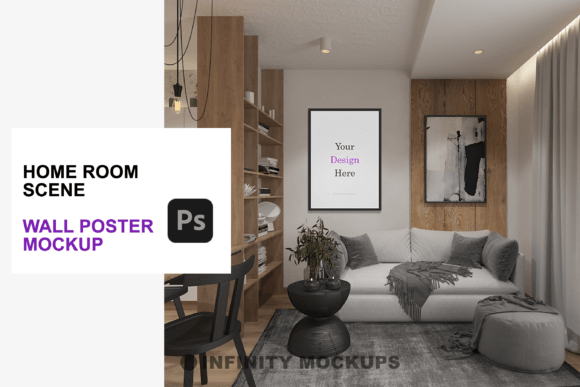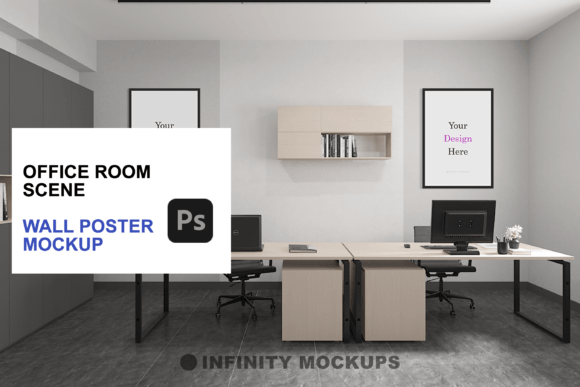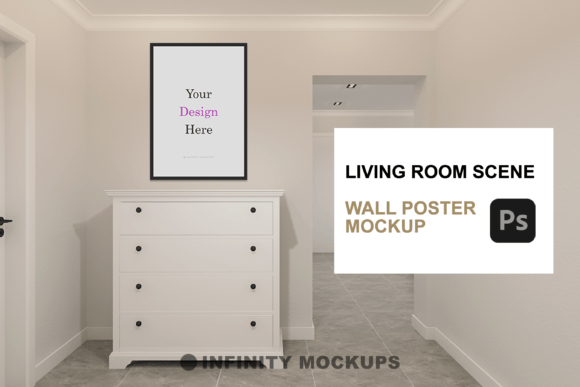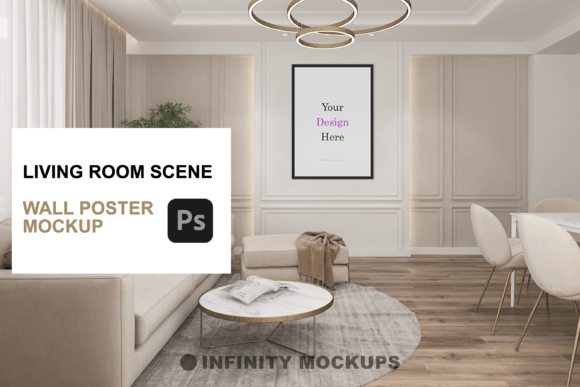
Children Room Wall Poster Mockup Guide
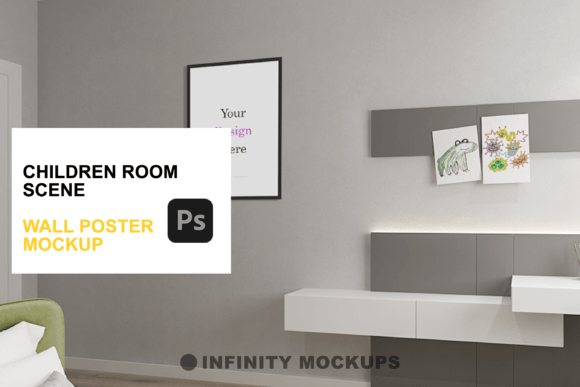
Visualizing digital art in a physical space is one of the most challenging aspects of graphic design. Whether you are an illustrator creating whimsical characters for a nursery or a parent planning a room makeover, seeing how a piece looks on a wall changes everything. This is where a Children Room Wall Poster Mockup becomes an indispensable tool. It bridges the gap between a flat digital file and a tangible, lived-in environment, allowing creators and consumers alike to make informed decisions before printing or purchasing.
Understanding the Value of Realistic Presentation
A mockup is more than just a placeholder image; it is a context provider. In the specific niche of children’s decor, atmosphere is paramount. Parents do not just buy a poster; they buy a feeling of warmth, safety, and imagination. A high-quality mockup simulates lighting, shadows, and texture, giving viewers a realistic sense of scale and style. For designers, this means the difference between a generic portfolio piece and a compelling sales asset. For homeowners, it reduces the anxiety of wondering if a bright yellow sun will clash with existing pastel blue walls.
The utility of these tools extends beyond simple aesthetics. They serve as a communication medium. When a freelancer sends a proof to a client, a realistic scene helps the client visualize the final product, reducing revision rounds and misunderstandings. The inclusion of video tutorials in modern mockup packages further democratizes this technology, ensuring that even those with limited technical skills can achieve professional results.
Tailored Benefits for Different Audiences
The way different groups interact with a Children Room Wall Poster Mockup varies significantly based on their goals and expertise. Understanding these perspectives helps in selecting the right resources and workflows.
For Professional Designers and Freelancers
For seasoned creatives, time is money. Professionals prioritize efficiency and customization. They look for mockups that offer smart object functionality, allowing them to drag and drop their artwork seamlessly. The ability to adjust frame colors—such as switching between black, white, wooden, or custom hues—is crucial for matching diverse client brands or interior styles.
Moreover, professionals value the subtle details. Features like fade-effect layers allow them to control the prominence of the artwork against the background. This level of control ensures that the focus remains on the design while maintaining environmental realism. For a freelancer pitching to a boutique children’s clothing brand or a publishing house, the quality of the mockup directly reflects their attention to detail and professional standards.
For Small Business Owners and E-commerce Sellers
Entrepreneurs running online stores on platforms like Etsy or Shopify face a unique challenge: selling physical products through a digital screen. Trust is the primary currency here. A Children Room Wall Poster Mockup helps build this trust by showing the product in use. Customers are more likely to purchase when they can see how a framed alphabet print looks above a crib or how a dinosaur illustration fits into a playroom setting.
Business owners also benefit from versatility. Having access to multiple frame shapes—square, rectangle, and horizontal—allows them to showcase a wide range of products without needing to photograph each one individually. This reduces overhead costs associated with physical photography studios and props. The consistency provided by digital mockups also helps in creating a cohesive brand aesthetic across social media channels and website listings.
For Beginners and Hobbyists
For those new to Photoshop or digital design, the learning curve can be steep. However, the inclusion of a video tutorial transforms a complex tool into an accessible resource. Beginners often prioritize ease of use over advanced customization. They need clear, step-by-step guidance on how to open the PSD file, locate the smart object layer, and export the final image.
Hobbyists, such as parents designing a room for their own children, may not have professional design software knowledge. A user-friendly mockup allows them to experiment with different art styles and layouts without fear of making irreversible mistakes. It empowers them to visualize their creative ideas, fostering a sense of accomplishment and confidence in their DIY projects.
For Educators and Content Creators
Teachers and bloggers often create educational materials or inspirational content. A mockup allows them to present printable worksheets, motivational quotes, or classroom decor ideas in an engaging way. Instead of sharing a plain PDF, they can share an image of the print hanging in a vibrant, child-friendly room. This enhances the perceived value of their free or paid resources and increases engagement on social media platforms like Pinterest and Instagram.
Key Features to Evaluate
When selecting a Children Room Wall Poster Mockup, several technical and aesthetic factors should guide your decision. These features determine the flexibility and final quality of your output.
- Lighting and Shadows: Look for intricate 3D rendering that mimics natural light. Realistic shadows anchor the poster to the wall, preventing it from looking like a floating sticker. The interplay of light and shadow adds depth and dimension, making the scene believable.
- Frame Variety: A versatile package should include multiple frame options. Black and white frames offer modern, minimalist looks, while wooden frames add warmth and tradition. The ability to customize colors ensures compatibility with any interior design scheme.
- Aspect Ratio Flexibility: Children’s art comes in various sizes. Ensure the mockup supports square (1:1), vertical rectangle, and horizontal formats. This adaptability prevents distortion and allows for proper composition regardless of the artwork’s dimensions.
- Layer Control: Advanced users appreciate non-destructive editing features. Layers that allow you to adjust opacity, brightness, or saturation independently help in fine-tuning the visual impact. The fade effect layer, for instance, can soften the background to make the poster pop or blend it in for a subtler look.
Practical Application Examples
To illustrate the practical utility, consider a few scenarios. A graphic designer creating a series of animal alphabet prints can use the mockup to generate ten different lifestyle images in under an hour. By simply swapping the smart object and changing the frame color from white to oak, they create a diverse portfolio that appeals to different customer tastes.
Similarly, a mom blogger writing about "Nursery Decor Trends" can use the mockup to test out controversial color combinations virtually. She can place a bold red poster in a neutral room to see if it works before advising her readers. This risk-free experimentation is invaluable for content creation and personal decision-making.
For an e-commerce seller, the mockup serves as a template for seasonal promotions. During back-to-school season, they can quickly update their store banners with images of educational posters in a study nook setting. The speed of implementation allows them to react quickly to market trends without the logistical hassle of organizing a photoshoot.
Making the Right Choice for Your Needs
Ultimately, the value of a Children Room Wall Poster Mockup lies in its ability to align with your specific workflow and objectives. If you are a professional, prioritize high-resolution textures and layer flexibility. If you are a beginner, look for comprehensive video tutorials and intuitive interfaces. For business owners, focus on versatility and brand consistency.
By understanding these distinctions, you can leverage digital tools to enhance your creativity, streamline your processes, and present your work in the best possible light. Whether you are selling art, decorating a home, or teaching a class, the right mockup transforms abstract ideas into visible realities, helping you connect more effectively with your audience.