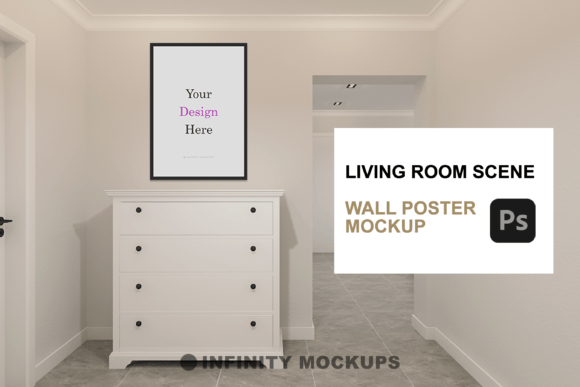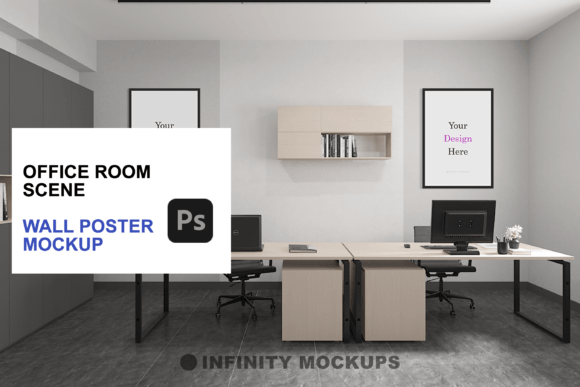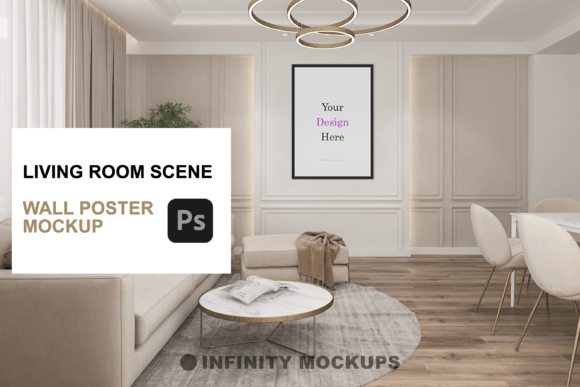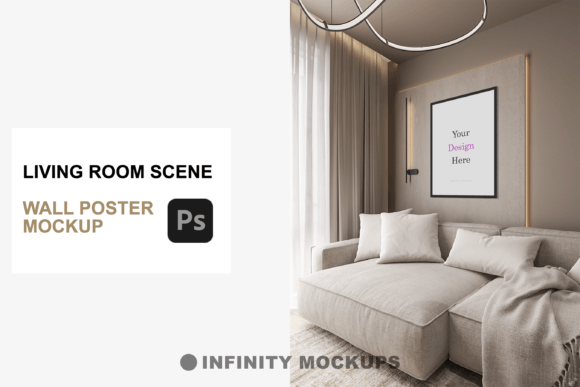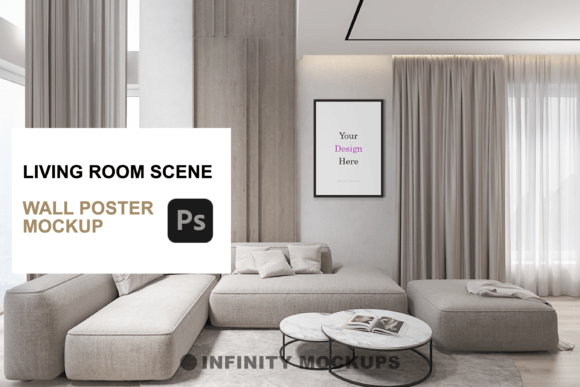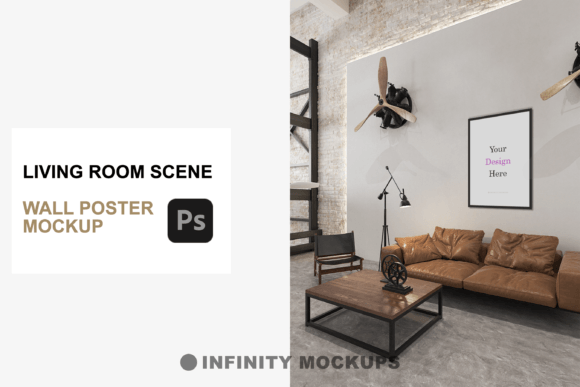
Living Room Poster Frame Mockup: Elevating Your Design Presentations
Presenting digital artwork in a way that feels tangible and immersive is one of the most challenging aspects of modern graphic design. Clients and customers often struggle to visualize how a flat JPEG or PNG will look in a physical space. This is where a high-quality Living Room Poster Frame Mockup becomes an indispensable tool. It bridges the gap between abstract creativity and real-world application, allowing designers to showcase their work within a context that feels authentic, warm, and inviting.
The concept is simple yet powerful. Instead of sending a client a standalone image file, you place that image inside a photorealistic 3D-rendered living room scene. The lighting, shadows, and textures of the room interact with the poster, creating a sense of depth and presence that flat images simply cannot achieve. For anyone involved in selling art, designing interiors, or marketing home decor, this tool transforms a standard deliverable into a compelling visual story.
Why Context Matters in Art Presentation
When you are selling a piece of art or a design service, you are not just selling pixels; you are selling an atmosphere. A poster hanging on a white void background tells the viewer nothing about scale, mood, or compatibility with existing decor. However, placing that same poster in a cozy, well-lit living room immediately answers several critical questions for the buyer.
First, it establishes scale. Seeing a poster next to a sofa, a lamp, or a plant gives the viewer an immediate reference point for size. Second, it suggests style. A wooden frame in a sun-drenched room suggests warmth and tradition, while a sleek black frame in a minimalist setting suggests modernity and edge. By using a Living Room Poster Frame Mockup, you allow the customer to project themselves into the scene. They can imagine walking into that room and seeing your art on their wall. This emotional connection is often the deciding factor in a purchase.
Versatility Across Industries and Use Cases
The utility of these mockups extends far beyond individual artists looking to sell prints on Etsy. Various industries leverage these tools to enhance their communication and sales processes.
- Interior Designers: Professionals use these mockups to present concepts to homeowners. Instead of describing how a gallery wall might look, they can show a realistic preview. This reduces uncertainty and helps clients make faster decisions about color palettes and framing options.
- E-commerce Sellers: Online marketplaces are crowded. A product listing with a generic white background blends in, but a listing featuring a lifestyle image stands out. Using a mockup allows sellers to create high-end lifestyle photography without the cost of renting a studio, hiring models, or physically printing and shipping samples.
- Graphic Designers and Agencies: When pitching branding projects or campaign visuals to corporate clients, context is key. Showing how a promotional poster looks in a home environment can help clients understand the consumer’s perspective and the potential impact of the design in everyday life.
- Print-on-Demand Businesses: For entrepreneurs who do not hold inventory, mockups are essential. They allow for the creation of vast catalogs of products without ever touching the physical item. This agility enables rapid testing of different designs and styles to see what resonates with audiences.
Customization and Creative Control
One of the primary concerns when adopting any template is flexibility. A rigid mockup that forces your art into a specific lighting condition or frame style can be more hindrance than help. The best Living Room Poster Frame Mockup solutions offer extensive customization options to ensure the final image aligns with your brand identity.
Consider the frame itself. Different artworks demand different borders. A vintage illustration might look best in a rustic wooden frame, while a bold typographic quote might pop against a stark black or clean white border. High-quality mockup packages typically include multiple frame styles, such as black, white, and natural wood. Some even allow for custom color adjustments, enabling you to match the frame to specific interior design trends or client preferences.
Furthermore, the shape of the poster matters. Whether you are designing a square Instagram-ready print, a vertical portrait, or a horizontal landscape banner, the mockup must accommodate these variations seamlessly. The ability to toggle between different aspect ratios without distorting the perspective of the room is a crucial feature that saves hours of manual adjustment in Photoshop.
The Role of Lighting and Realism
The difference between a good mockup and a great one lies in the details of light and shadow. In a real living room, light does not hit a poster evenly. There are subtle gradients, soft shadows cast by the frame onto the wall, and reflections depending on the glass or matte finish of the print.
Advanced mockups utilize intricate 3D rendering techniques to replicate these nuances. They include features like fade-effect layers, which allow you to control how much the ambient light of the room affects your artwork. You might want your design to stand out prominently, or you might prefer it to blend subtly into the environment, appearing as if it has been part of the home for years. This level of control empowers you to dictate the visual hierarchy of the image, ensuring the viewer’s eye is drawn exactly where you want it.
However, it is important to remain aware of potential limitations. If the lighting in the mockup scene is too dramatic or directional, it may clash with the lighting inherent in your original design. For example, placing a brightly lit, high-contrast photo into a dimly lit, moody room scene might require additional color grading to ensure consistency. Always check how your specific artwork interacts with the mockup’s environment before finalizing your presentation.
Practical Considerations Before Choosing a Mockup
Before downloading or purchasing a Living Room Poster Frame Mockup, consider the resolution and file structure. For professional print or high-resolution web use, you need files that are at least 300 DPI and large enough to retain clarity when zoomed in. Look for PSD files with smart objects, which allow you to drag and drop your design directly into place without needing advanced Photoshop skills.
Also, think about the diversity of your portfolio. If you sell a wide range of styles, having a single mockup might not be enough. You may benefit from a bundle that includes various room angles, times of day, and decor styles. This variety ensures that you can always find a scene that complements the specific mood of the artwork you are presenting.
Finally, remember that while mockups are powerful, they should enhance your work, not distract from it. The goal is to make the art look desirable and attainable. Avoid overly cluttered scenes where furniture or decorations compete for attention with the poster. The living room should serve as a stage, not the main act.
Integrating Mockups into Your Workflow
Incorporating these tools into your daily workflow can significantly streamline your production process. Many designers keep a library of favorite mockup scenes for quick access. When a new design is completed, they can generate multiple lifestyle variants in minutes. This speed allows for rapid A/B testing on social media or e-commerce platforms, helping you identify which presentations drive the most engagement.
Moreover, video tutorials often accompany premium mockup packages. These resources are invaluable for learning advanced techniques, such as adjusting shadow density, modifying frame colors, or tweaking the perspective to better suit your image. Taking the time to master these features can elevate your presentations from standard to exceptional, giving you a competitive edge in a saturated market.
Ultimately, a Living Room Poster Frame Mockup is more than just a digital template; it is a communication tool. It helps you tell a story about your art, showing not just what it looks like, but how it feels to live with it. By leveraging realistic scenes, customizable frames, and intelligent lighting effects, you can create presentations that resonate with viewers on a deeper level, turning casual browsers into loyal customers.