Children Room Poster Frame Mockup: A Practical Evaluation for Designers
In the competitive landscape of digital art and print-on-demand services, presentation is often as critical as the design itself. For designers specializing in nursery decor, educational prints, or whimsical wall art, the ability to showcase work in a realistic context can significantly influence buyer confidence. This is where a Children Room Poster Frame Mockup becomes an essential tool in a creative professional’s workflow. By bridging the gap between a flat digital file and a tangible product, these resources allow creators to visualize how their artwork will appear in a lived-in space.
This article evaluates the utility, features, and practical considerations of using high-quality poster mockups, specifically those designed for children’s rooms. It aims to help designers determine whether investing time in mastering these tools aligns with their business goals and client expectations.
Understanding the Role of Contextual Mockups
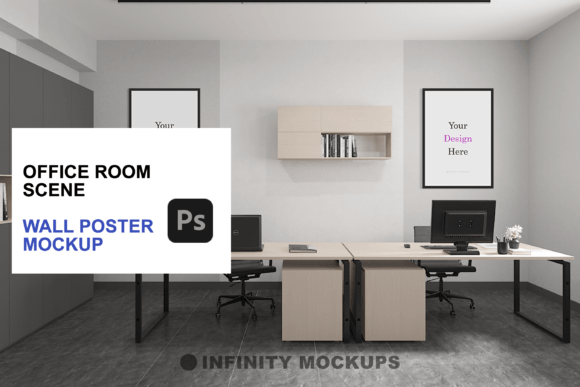
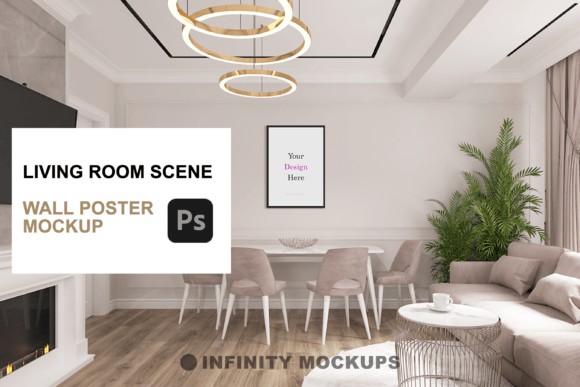
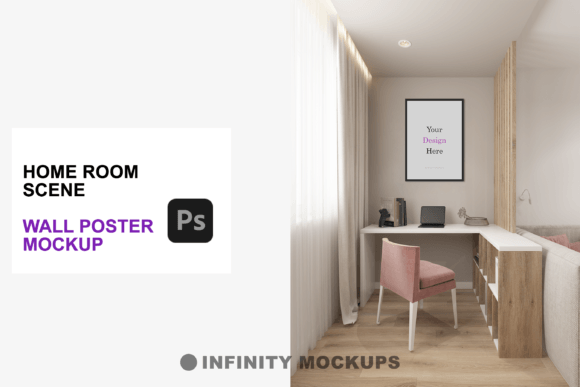
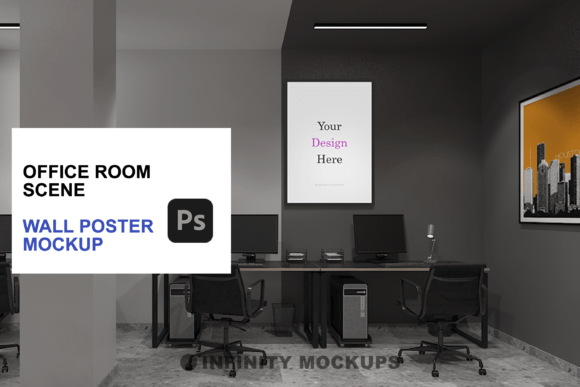
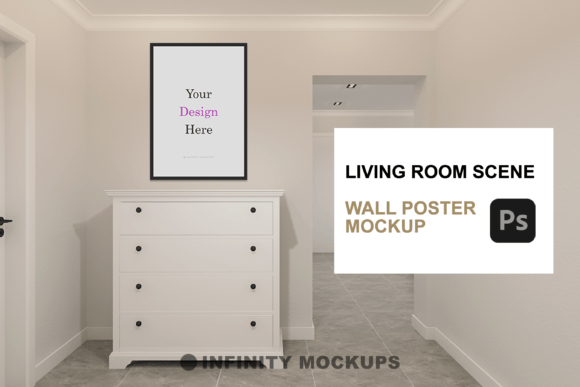
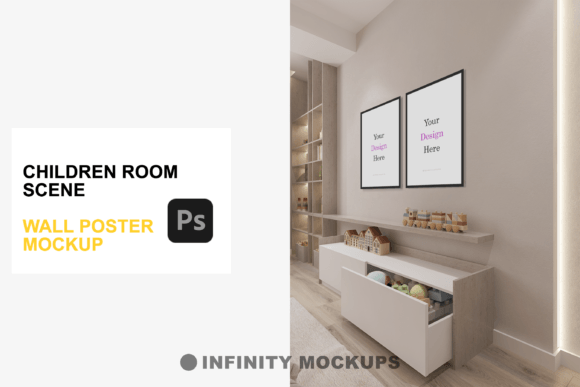
A mockup is more than just a background image; it is a simulated environment that provides scale, lighting, and atmospheric context. When selling digital downloads or physical prints, potential customers often struggle to imagine how a piece of art will look on their own walls. A Children Room Poster Frame Mockup solves this problem by placing the design within a curated, aesthetically pleasing room scene. These scenes typically feature soft lighting, appropriate color palettes, and furniture styles that resonate with parents decorating a child’s space.
The primary value proposition here is realism. High-end mockups utilize 3D rendering techniques to ensure that shadows, reflections, and perspective lines match the physical properties of a real photograph. This level of detail helps build trust with consumers, who are more likely to purchase when they can clearly envision the final product in their home.
Key Features to Evaluate
Not all mockups are created equal. When selecting a resource for your portfolio or e-commerce store, several technical and aesthetic features warrant careful consideration.
Frame Versatility and Customization
One of the most significant advantages of premium mockup packages is flexibility. A robust solution should offer multiple frame options to suit different interior design trends. Common variations include:
- Black Frames: Ideal for modern, high-contrast designs or monochrome illustrations.
- White Frames: Perfect for minimalist, Scandinavian, or bright and airy nursery themes.
- Wooden Frames: Adds warmth and works well with rustic, bohemian, or naturalistic art styles.
- Custom Colors: Advanced mockups allow users to change the frame color via smart objects, providing unlimited matching possibilities.
Additionally, the aspect ratio of the frame matters. Look for templates that support various shapes, such as square (1:1), vertical rectangle (portrait), and horizontal rectangle (landscape). This versatility ensures that you can showcase a wide range of artwork without needing separate files for each orientation.
Lighting and Shadow Control
Realism hinges on lighting. A quality Children Room Poster Frame Mockup will include intelligent shadow layers that react to the inserted artwork. Some advanced templates feature a "fade effect" or opacity control layer. This allows designers to toggle between a prominent, sharp display and a subtler, more integrated look. For instance, if the goal is to highlight the texture of the paper or the depth of the frame, reducing the fade effect can make the poster stand out. Conversely, increasing the fade can help the art blend seamlessly into the room’s ambient light.
E-commerce Integration
For sellers on platforms like Etsy, Shopify, or Amazon Handmade, speed and consistency are vital. Many professional mockup packages include additional PSD files optimized for quick batch processing. This feature enables designers to update multiple product listings efficiently, ensuring that their storefront maintains a cohesive visual identity. The ability to swap designs rapidly without adjusting lighting or perspective manually saves hours of editing time.
Benefits of Using Specialized Mockups
Integrating a dedicated mockup into your workflow offers several strategic benefits. First, it elevates perceived value. A design displayed in a beautifully rendered children’s room suggests a lifestyle and emotional connection, rather than just a commodity. Second, it reduces customer uncertainty. By showing exactly how the frame sits on the wall and how the colors interact with the room’s decor, you minimize the likelihood of returns or dissatisfaction due to mismatched expectations.
Furthermore, these tools serve as powerful marketing assets for social media. Platforms like Instagram and Pinterest are highly visual, and posts featuring realistic room scenes tend to generate higher engagement rates than flat digital files. This organic reach can drive traffic to your store without additional advertising spend.
Tradeoffs and Considerations
While the benefits are clear, there are tradeoffs to consider. The primary constraint is technical requirement. Most high-quality mockups are built in Adobe Photoshop and rely on Smart Objects. Designers who prefer vector-based workflows in Illustrator or simpler tools like Canva may find the learning curve steep. Additionally, large PSD files with high-resolution 3D renders can be demanding on computer hardware, potentially slowing down older systems.
Another consideration is authenticity. Over-reliance on generic mockups can lead to a saturated market appearance. If every seller uses the same popular room scene, brands may struggle to differentiate themselves. To mitigate this, look for mockups with unique angles, distinctive decor elements, or the ability to customize background colors and textures.
When to Use a Children Room Poster Frame Mockup
This tool is particularly effective in the following scenarios:
- Launching New Collections: When introducing a new series of nursery prints, contextual mockups help tell a cohesive story.
- Client Presentations: Freelance illustrators can use these mocks to show clients how their commissioned work will look in a real-world setting, facilitating faster approval.
- Social Media Campaigns: Creating visually appealing content for Pinterest boards focused on nursery inspiration or kids' room decor.
Alternatives Worth Considering
In some cases, a static mockup may not be the best solution. If your target audience values transparency above all else, consider supplementing mockups with actual photographs of your printed products in diverse environments. User-generated content, where customers share photos of your art in their homes, can also serve as powerful social proof.
Additionally, video tutorials and dynamic previews are becoming increasingly important. Some advanced packages include video components or after-effects templates that allow for animated presentations. If your marketing strategy relies heavily on video content, such as TikTok or Reels, a static PSD might need to be paired with motion graphics tools to remain competitive.
Making the Right Decision
Choosing the right Children Room Poster Frame Mockup depends on your specific needs. If you prioritize efficiency and professional presentation, a high-quality Photoshop template with multiple frame options and lighting controls is a worthwhile investment. However, ensure that your hardware can handle the file sizes and that you are comfortable navigating layer masks and smart objects.
Ultimately, the goal is to reduce friction for the buyer. By providing a clear, realistic visualization of your art in a children’s room, you answer potential questions before they are asked. Evaluate mockups based on their realism, customization options, and ease of use. When selected wisely, these tools do not just display your art—they enhance its appeal and help convert viewers into customers.