Creating Depth: A Practical Guide to the Snowman and Deer 3D Shadow Box SVG
Paper crafting has evolved significantly from simple two-dimensional cutouts to complex, multi-layered installations that mimic depth and perspective. Among the most popular formats in this niche is the 3D shadow box, a technique that relies on precise layering to create visual interest. The Snowman and Deer 3D Shadow Box SVG represents a specific application of this technique, designed for winter-themed decor. For creators, small business owners, and hobbyists, understanding the technical specifications and practical applications of such templates is essential before committing time and materials to a project.
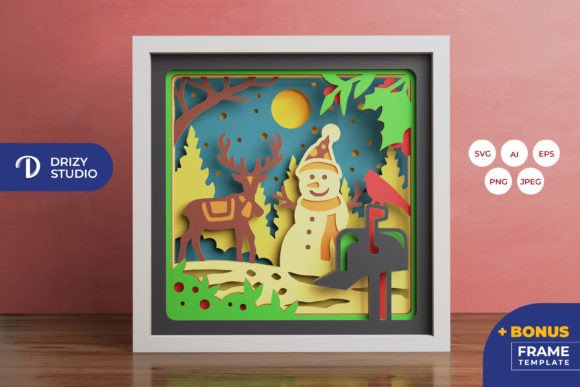
This template offers a layered, square paper-cutting design featuring classic winter motifs. It is not merely a decorative image but a functional blueprint for physical construction. By analyzing its file formats, layer structure, and assembly requirements, users can determine if this asset aligns with their current workflow and creative goals.
Technical Specifications and File Compatibility
The utility of any digital cutting file depends largely on its compatibility with various hardware and software ecosystems. This particular template is provided in a comprehensive suite of formats, ensuring accessibility for a wide range of users. The primary files include AI, EPS, PNG, and SVG, all standardized at 714 x 714 pixels. Additionally, a high-resolution JPEG preview (3000 x 2000 px) is included for reference purposes.
For those utilizing electronic cutting machines such as Silhouette Cameo or Cricut Explore, the SVG file is the critical component. SVG (Scalable Vector Graphics) allows for infinite resizing without loss of quality, which is vital for maintaining clean cut lines. However, it is important to note that while the file can be resized, the aspect ratio must remain constant to preserve the alignment of the nine distinct layers. Distorting the aspect ratio would result in misaligned elements during assembly, compromising the final 3D effect.
Users who prefer manual crafting methods are also accommodated. The inclusion of PNG and JPEG formats allows for printing and hand-cutting using art knives or scissors. While this method requires more time and precision, it eliminates the need for expensive machinery, making the design accessible to beginners or those working with limited budgets.
Design Structure and Layering Dynamics
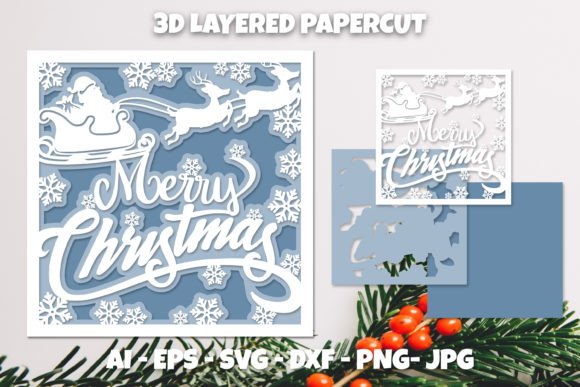
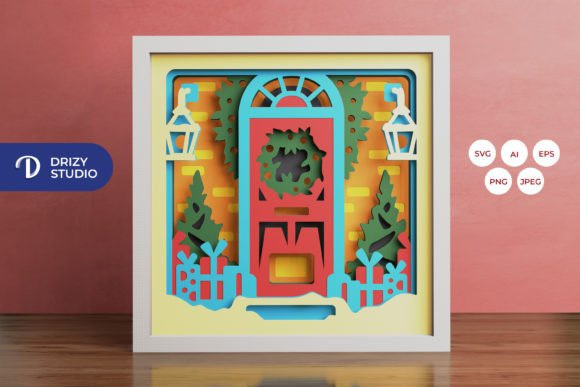
The core of any successful shadow box is its layering strategy. This template consists of nine separate layers, each contributing to the overall depth and narrative of the scene. The design features a snowman and a deer, set against a winter backdrop. The separation of these elements into distinct planes allows light and shadow to play across the surface, creating a sense of volume that flat prints cannot achieve.
The specified size of the final assembled piece is 20.32×20.32 cm (approximately 8x8 inches). This square format is versatile for framing and fits standard shadow box frames available in most craft stores. The nine-layer structure requires careful planning during the cutting phase. Each layer must be cut from cardstock or heavy paper, and the spacing between them is crucial. Typically, crafters use foam tape or spacers to create gaps between layers, enhancing the 3D illusion. The complexity of nine layers suggests an intermediate skill level; beginners may find the alignment challenging, while experienced crafters will appreciate the depth it offers.
Practical Applications and Customization
The versatility of the Snowman and Deer 3D Shadow Box extends beyond traditional wall decoration. One of the most effective ways to utilize this design is by converting it into a lightbox. By inserting LED strip lights between specific layers, creators can illuminate the scene from within. This technique highlights the silhouettes of the deer and snowman, casting dramatic shadows and adding a warm, inviting glow to the piece. This adaptation transforms the item from a daytime decor piece into a functional nightlight or ambient lighting feature.
Color customization is another significant advantage of using a digital template. Unlike pre-printed decorations, this SVG allows users to select their own paper colors. This flexibility enables crafters to match the piece to existing interior design schemes or to experiment with non-traditional color palettes. For instance, using monochromatic shades of blue and white can create a frosty, ethereal look, while earth tones might emphasize the natural aspect of the deer motif.
For entrepreneurs and small business owners, this template offers a scalable product opportunity. Handmade shadow boxes are popular items on platforms like Etsy and at local craft fairs. The ability to produce consistent, high-quality units using a reliable digital file ensures that each product meets professional standards. However, it is essential to account for material costs and labor time when pricing these items, given the nine-layer construction process.
Assembly Considerations and Best Practices
Successful assembly of the Winter 3D Light Box template requires attention to detail and the right adhesives. The instructions recommend using glue or double-sided tape. For structural integrity, especially if the piece is intended to hang on a wall, acid-free double-sided foam tape is often preferred. It provides both adhesion and the necessary spacing between layers. Liquid glue can be used for finer details but may cause warping if applied excessively to thin paper.
Patience is key during the assembly process. Aligning nine layers precisely requires a steady hand and a well-lit workspace. It is advisable to dry-fit the layers before applying any adhesive to ensure that all elements align correctly. If using a cutting machine, verifying the cut settings for the specific type of cardstock being used is crucial to avoid incomplete cuts or tearing.
Another practical consideration is the choice of frame. A deep shadow box frame is necessary to accommodate the depth created by the nine layers and any added lighting components. Standard photo frames will not suffice. Creators should measure the total depth of their assembled piece, including spacers, before purchasing a frame to ensure a proper fit.
Target Audience and Value Proposition
Who benefits most from this template? The primary audience includes serious hobbyists who enjoy paper crafting and DIY home decor projects. The detailed nature of the design appeals to those who find satisfaction in intricate, hands-on work. Additionally, educators may find this template useful for teaching principles of design, layering, and spatial awareness in art classes, although the complexity may require supervision for younger students.
Marketers and content creators in the crafting niche can also leverage this asset. Creating tutorial videos or blog posts demonstrating the assembly process can drive engagement and traffic. The visual appeal of the finished product, particularly when lit, makes it highly shareable on social media platforms like Pinterest and Instagram.
From a value perspective, the template offers long-term usability. Unlike a single physical product, a digital file can be used repeatedly to create multiple gifts or inventory items. The ability to resize and recolor the design means it can be adapted for different occasions or preferences, extending its lifespan beyond a single holiday season.
Limitations and Realistic Expectations
While the Snowman and Deer 3D Shadow Box SVG is a robust resource, it is important to maintain realistic expectations. The final appearance will vary based on the quality of paper used, the precision of cuts, and lighting conditions. The preview images provided by designers are often idealized; actual results may differ slightly in color and contrast. Users should anticipate a learning curve, particularly if they are new to multi-layer papercraft.
Furthermore, the time investment required for cutting and assembling nine layers should not be underestimated. This is not a quick craft project. For those seeking immediate results, this template may not be suitable. However, for those who value the process and the unique, handmade quality of the final piece, the effort is justified.
In conclusion, this template serves as a solid foundation for creating sophisticated winter decor. Its compatibility with major cutting machines, combined with its flexible design options, makes it a valuable addition to any crafter’s digital library. By understanding its technical requirements and assembly nuances, users can maximize the potential of this design and produce high-quality, personalized art pieces.