Home Room 3D Scene Frame Mockup Guide
Presenting your digital artwork in a way that feels tangible and grounded is one of the most challenging aspects of modern graphic design. We often spend hours perfecting kerning, color grading, and composition, only to display the final result on a flat, sterile white background. This disconnect can make it difficult for clients or customers to visualize how a piece will actually look in a lived-in space. This is where the Home Room 3D Scene Frame Mockup becomes an indispensable tool in your creative arsenal. It bridges the gap between digital creation and physical reality, offering a sophisticated platform to showcase posters, prints, and framed art with convincing realism.
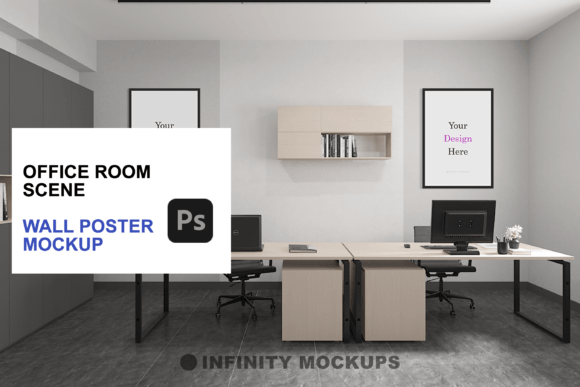
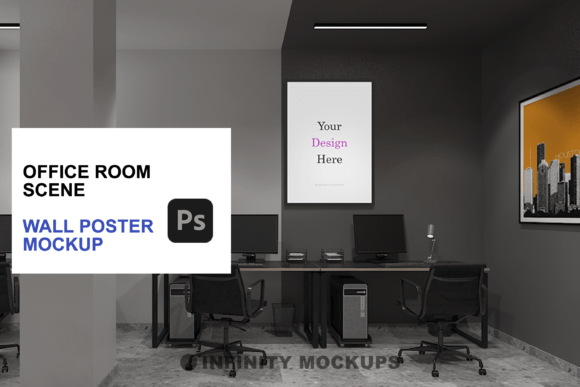
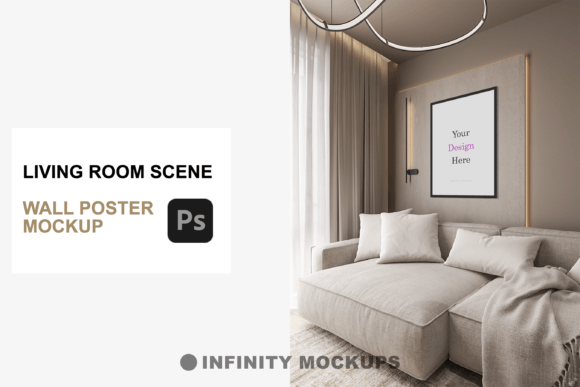
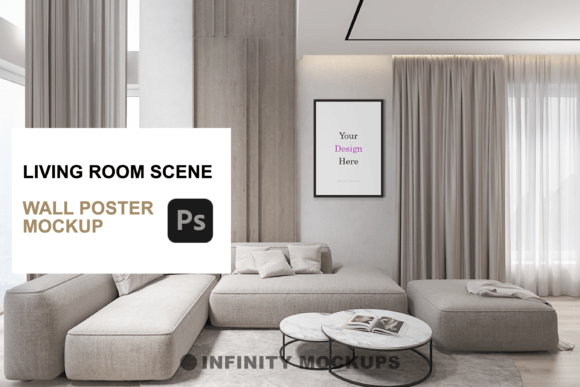
The appeal of this specific mockup lies in its attention to environmental detail. Unlike generic templates that simply drop an image into a pre-made slot, this resource utilizes intricate 3D rendering to create a cohesive scene. The lighting is not static; it interacts with the frame and the wall, casting subtle shadows that change based on the time of day implied by the render. This level of fidelity helps elevate perceived value. When a potential buyer sees a poster hanging in a beautifully lit, modern room, they are not just buying a digital file; they are buying into the lifestyle and atmosphere that the art contributes to their home.
Understanding the Visual Personality and Style
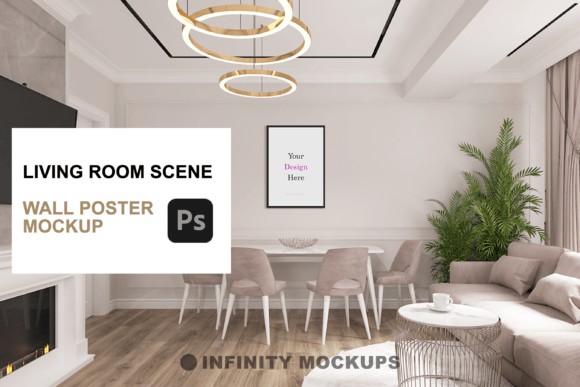
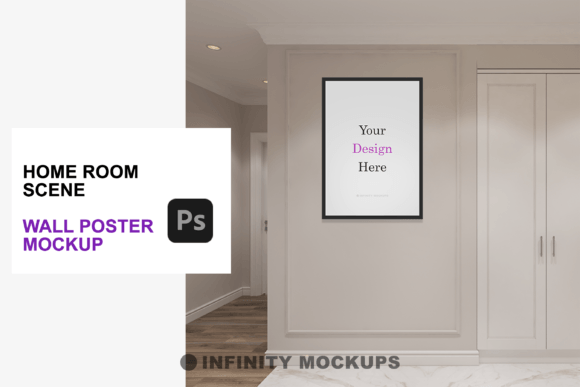
The visual characteristics of the Home Room 3D Scene Frame Mockup are defined by elegance and modern minimalism. The scene is crafted to be neutral enough to let your artwork take center stage, yet detailed enough to provide context. The textures of the walls, the grain of the wooden frames, and the soft diffusion of light all contribute to a sense of authenticity. This versatility makes it suitable for a wide range of artistic styles, from bold contemporary abstracts to delicate typography-based prints.
One of the standout features is the variety of frame options included. You are not locked into a single aesthetic. With four distinct frame styles—Black, White, Wooden, and Custom Color—you can match the framing to the tone of your artwork. A black frame might add weight and drama to a high-contrast monochrome piece, while a light wooden frame could complement a warm, earthy illustration. Furthermore, the inclusion of three different frame shapes (square 1:1, vertical rectangle, and horizontal rectangle) ensures that whether you are designing for Instagram posts, classic portrait prints, or landscape photography, there is a format that fits.
The "fade effect" layer is another nuanced touch that speaks to professional design sensibilities. Sometimes, you want the artwork to pop aggressively against the background; other times, you prefer a softer integration where the art feels like a natural part of the room’s decor. Being able to toggle this prominence allows you to control the visual hierarchy, ensuring that the viewer’s eye is drawn exactly where you intend it to go.
Strategic Applications Across Design Disciplines
While the primary function is obvious for artists selling prints, the utility of this mockup extends far beyond simple portfolio displays. For brand strategists and marketers, these scenes are vital for creating cohesive brand identity materials. Imagine a lifestyle brand launching a new campaign. Using this mockup, they can place their motivational quotes or branded illustrations in a home setting, making the brand feel accessible and integrated into daily life. This approach is far more effective than displaying logos on plain backgrounds, as it triggers an emotional response related to comfort and aspiration.
In the realm of editorial design and publishing, authors and publishers can use these frames to promote book covers or literary posters. A well-framed quote from a novel, displayed in a cozy reading nook scene, can serve as powerful social media content. Similarly, for web design and e-commerce, product pages benefit immensely from realistic imagery. Customers are more likely to convert when they can visualize the scale and aesthetic of a product in their own space. The seamless e-commerce integration mentioned in the package details suggests that these files are optimized for quick turnover, allowing online sellers to update their catalogs efficiently.
Even for interior designers and decorators, this tool serves as a rapid prototyping asset. Instead of physically printing and framing multiple options for a client, a designer can digitally place various artworks into the 3D scene to gauge which style complements the room’s existing decor. This saves time and resources while providing a clear visual reference for decision-making.
Enhancing Brand Perception and Audience Engagement
The quality of your presentation directly influences how your work is perceived. High-quality design assets like this mockup signal professionalism. When a client sees a polished, realistic render, they subconsciously associate that level of care with the quality of the artwork itself. It builds trust. In a crowded digital marketplace, where attention spans are short, the ability to stand out visually is crucial. A flat JPEG of a poster competes with thousands of other flat images. A 3D-rendered scene, with its depth and lighting, stops the scroll.
Readability and visual hierarchy are also enhanced by context. In a real room, lighting conditions affect how we read text on a wall. By simulating these conditions, you can test if your typography holds up under different lighting scenarios. If a sans serif font looks too thin in the shadowed corner of the mockup, you know to adjust the weight before printing. This practical feedback loop is invaluable for refining logo design and typographic posters.
Moreover, consistency across your marketing channels strengthens brand recognition. By using the same high-quality mockup style for your Instagram stories, website banners, and email newsletters, you create a unified visual language. This consistency helps audiences instantly recognize your content, fostering a stronger connection over time.
Practical Guidance for Choosing and Using the Mockup
To get the most out of the Home Room 3D Scene Frame Mockup, start by evaluating the mood of your artwork. Does it require the stark contrast of a black frame, or the warmth of wood? Test all four included styles. Do not assume the default setting is the best one. Use the custom color option if your brand guidelines dictate a specific accent color for the frame, tying the physical object back to your digital brand identity.
Pay close attention to the resolution and lighting settings. Ensure that your source artwork is high-resolution to avoid pixelation when scaled to the frame size. Utilize the fade effect layer to balance the image. If your artwork is dark, you might want to reduce the fade to ensure it doesn't disappear into the shadows of the room. Conversely, for bright, airy pieces, a stronger fade might help it blend seamlessly with the ambient light.
When considering font pairing or typographic elements within your poster, view them through the lens of the mockup. Does the serif font you chose retain its elegance in the 3D space? Does the handwritten font feel authentic against the textured wall? These are questions you can answer quickly with this tool, saving you from costly printing errors.
Finally, always review the licensing terms. Since this is a commercial-grade asset, ensure that your usage aligns with the provided license, especially if you are using it for client work or large-scale e-commerce operations. The inclusion of a video tutorial is a significant bonus, offering step-by-step guidance for those less familiar with Photoshop’s smart object features. Take advantage of this resource to streamline your workflow.
In conclusion, the Home Room 3D Scene Frame Mockup is more than just a template; it is a strategic tool for enhancing the perceived value of your creative work. By providing a realistic, versatile, and professionally rendered environment, it allows designers, entrepreneurs, and artists to present their work in the best possible light. Whether you are refining a premium font display, launching a new print collection, or building a cohesive brand presence, this mockup offers the realism and flexibility needed to succeed in today’s visual-first market.